
Victory Friday | Issue 118
Orthopedic Insights: Athletes’ 3D Hip Flexors • The Performance-Stiffness-Injury Iceberg • 3D Hip Efficiency Performance Win!

“A person who sees a problem is a human being; a person who finds a solution is a visionary; and the person who goes out and does something about it is an entrepreneur.” ~ Naveen Jain
Victory Friday is a weekly digest of reflections, insights, and tools from the world of functional manual and performance medicine. It is a free weekly publication. To support Victory Friday with a paid subscription, click below:
It’s Friday evening, do you know where (in the socket) your hips are? We’re all about efficiency and hip strength this week: robust hip flexor strength and stability for athletes, a discussion of the performance-stiffness-injury continuum “iceberg”, and finally, a fun performance win after getting the hips “on-axis” for my favorite masters runner. Wins for everyone this week, enjoy!
Cool Exercises I Like. Athletes’ 3D Hip Flexors. The hip flexor system is so prone to pain and stiffness — but often because it has insufficient strength for everything it must do.
• It must propel: driving the leg upward and forward
• It must stabilize: a portion stabilizes the spine, pelvis and hip (The Four-Bone System) in stance phase of running, and in planting, cutting, and jumping.
So when I find new and awesome hip flexor exercises, I get excited. Here are three amazing whole-body, multi-dimensional athletic hip flexor strengtheners, courtesy of innovative, award-winning trainer/coach Vernon Griffith:
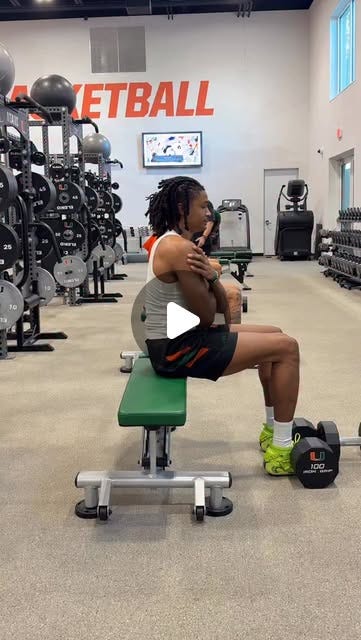
The three exercises:
Hip Flexor Plank. This is a double-exercise, working both hip flexors at the same time: the kneeling (“stance”) side on the bench, while the free (“swing”) hip holding in flexion. Static-but-dynamic strength.
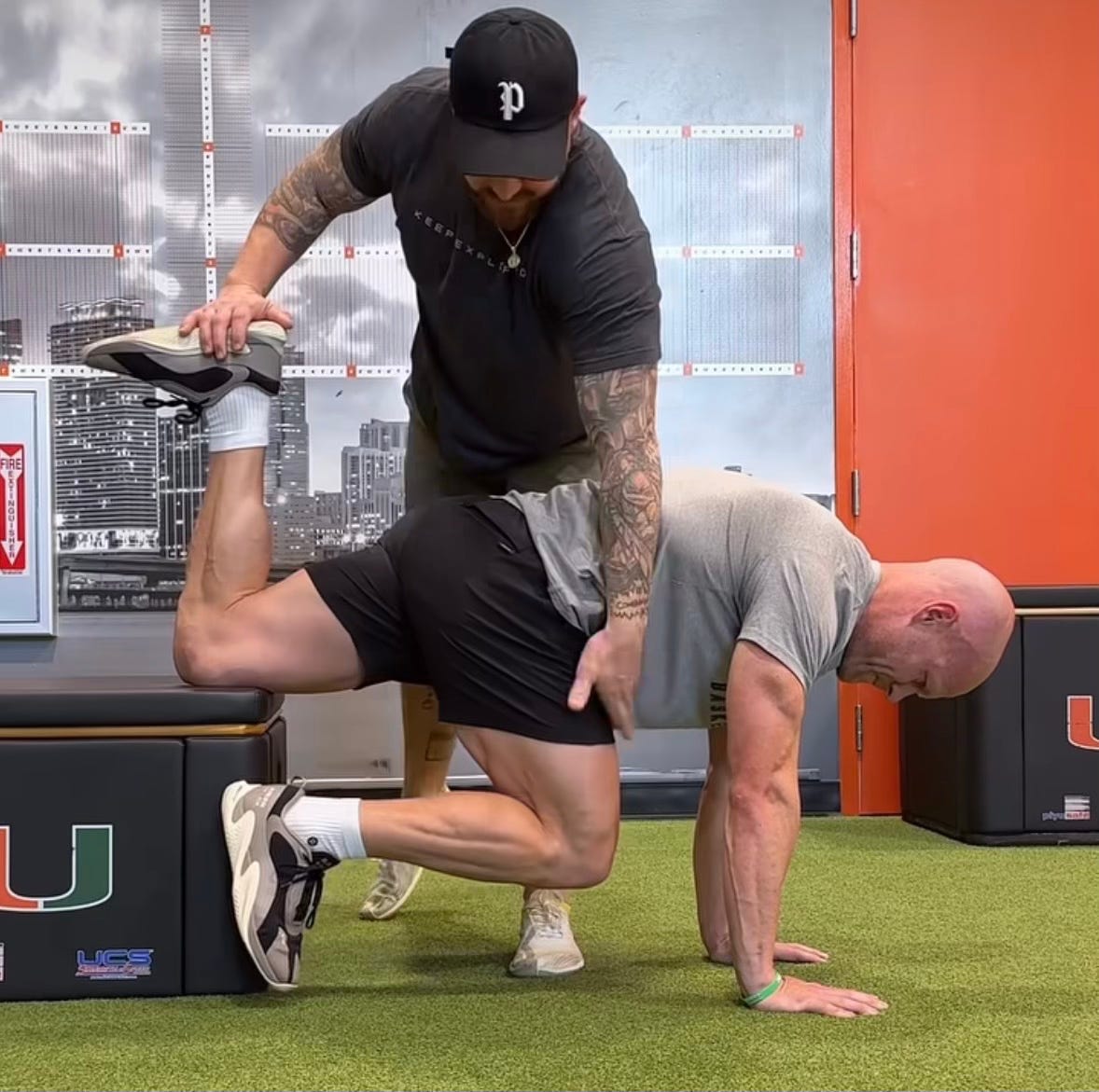
Hip Flexor “Fall-back”. An eccentric (loads-while-lengthening) strengthener using a dumbbell on a bench. Rather than the leg moving, the whole body moves on a stable leg — much like stance phase athletics.
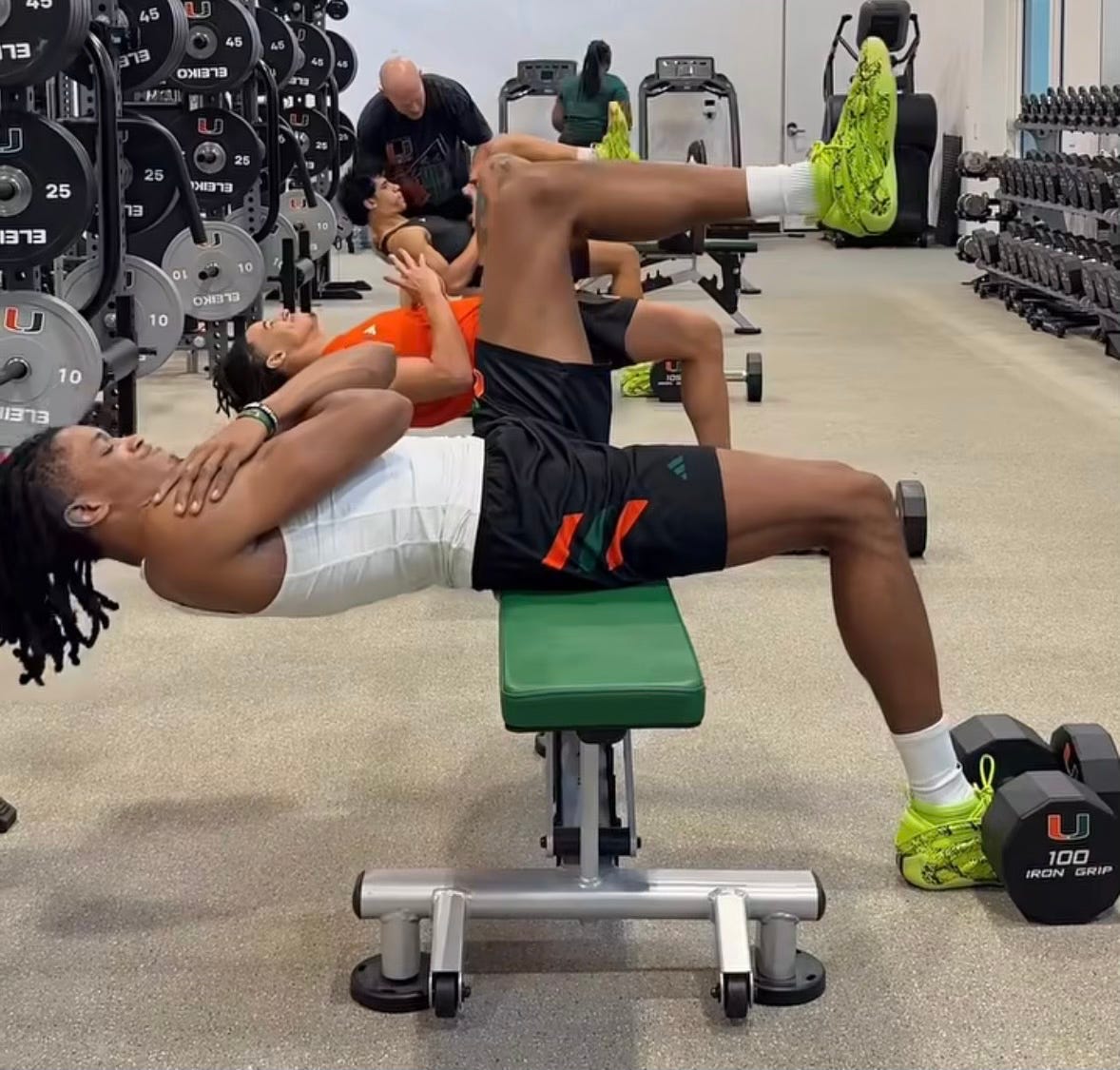
Hanging Bird-Dogs. A terrific reciprocal exercise: one leg flexes (hip flexor) while the other remains “standing” (glute stability); opposite arm downward flexes with the flexing knee, while the other arm holds a bar!
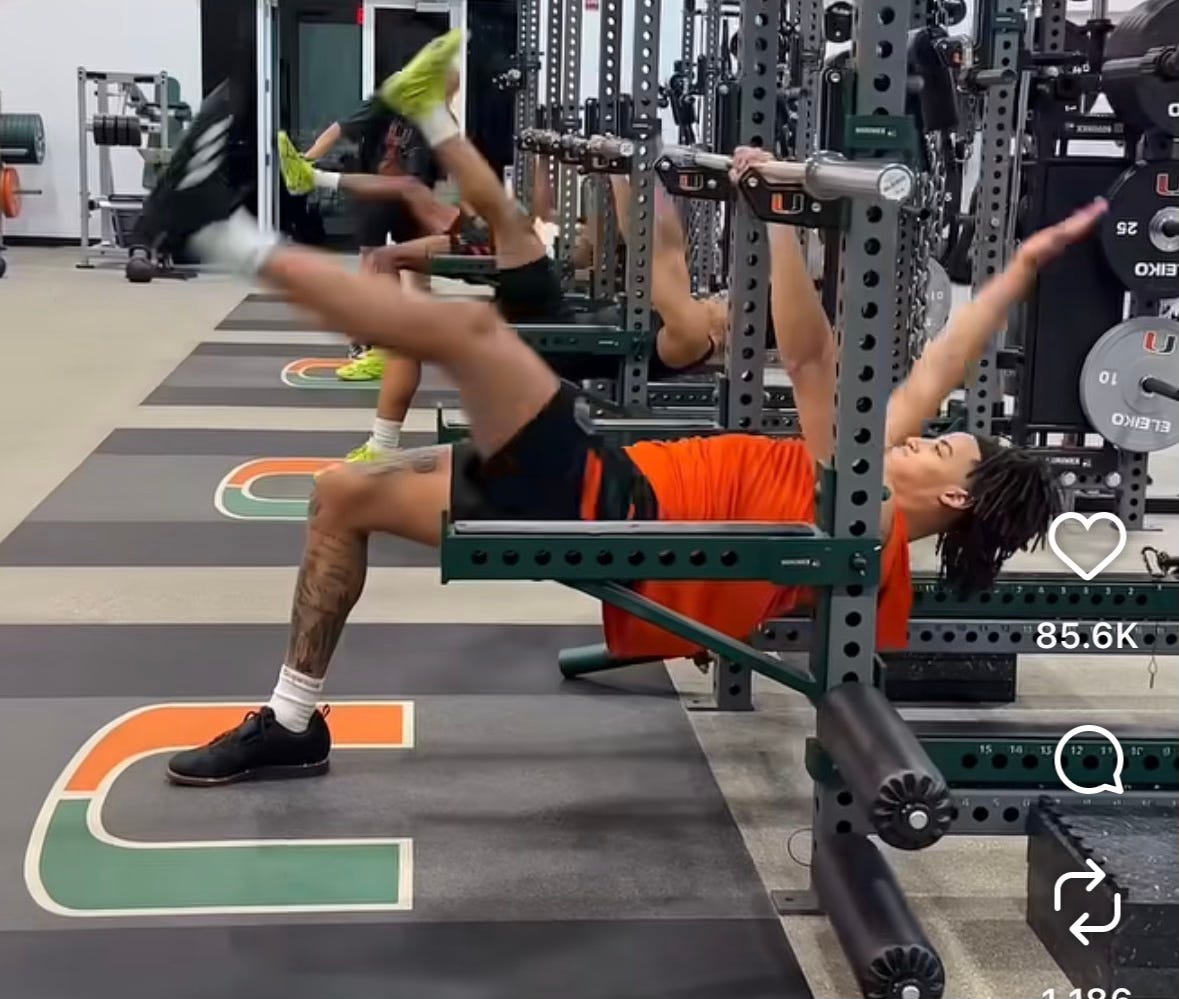
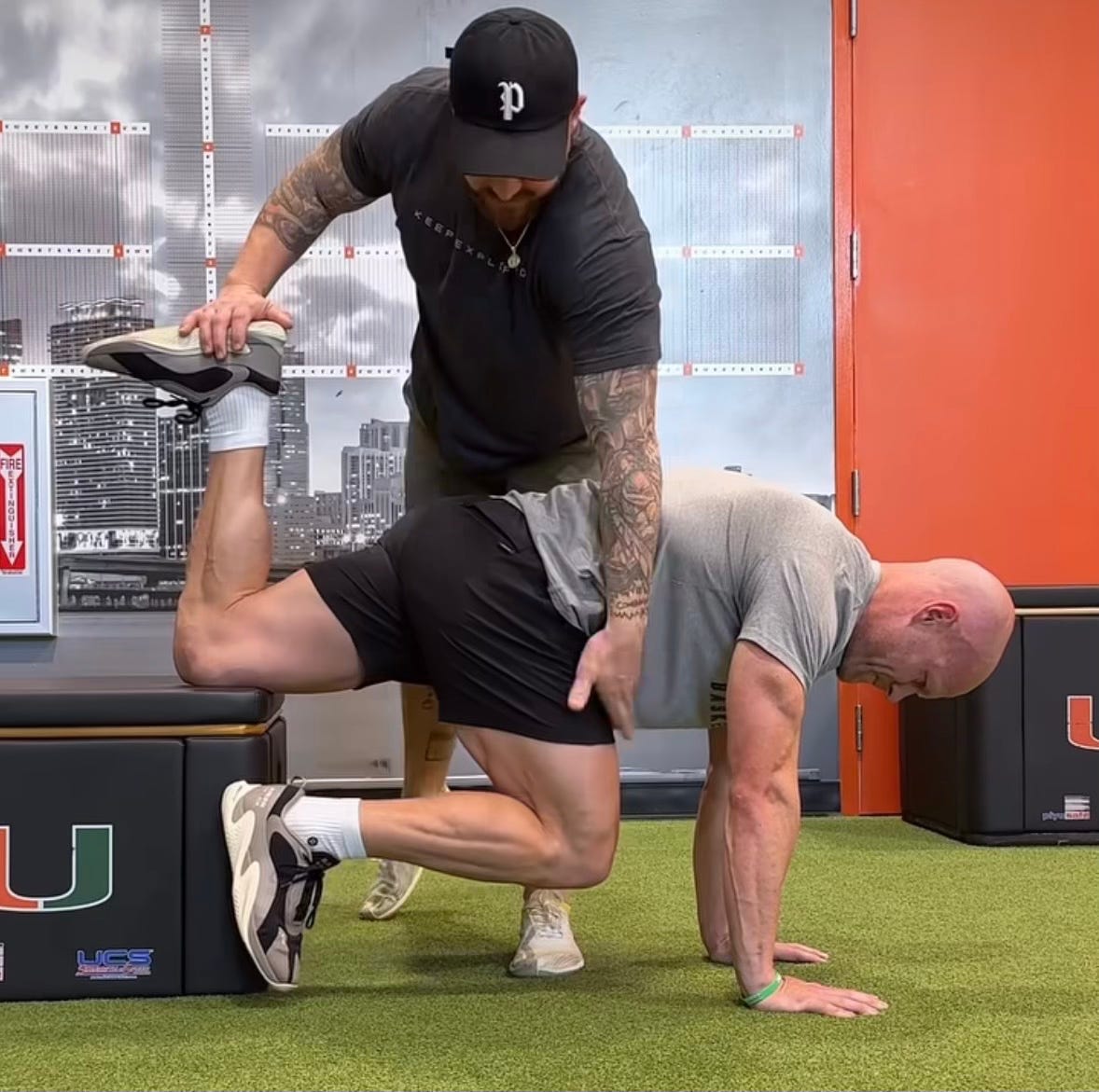
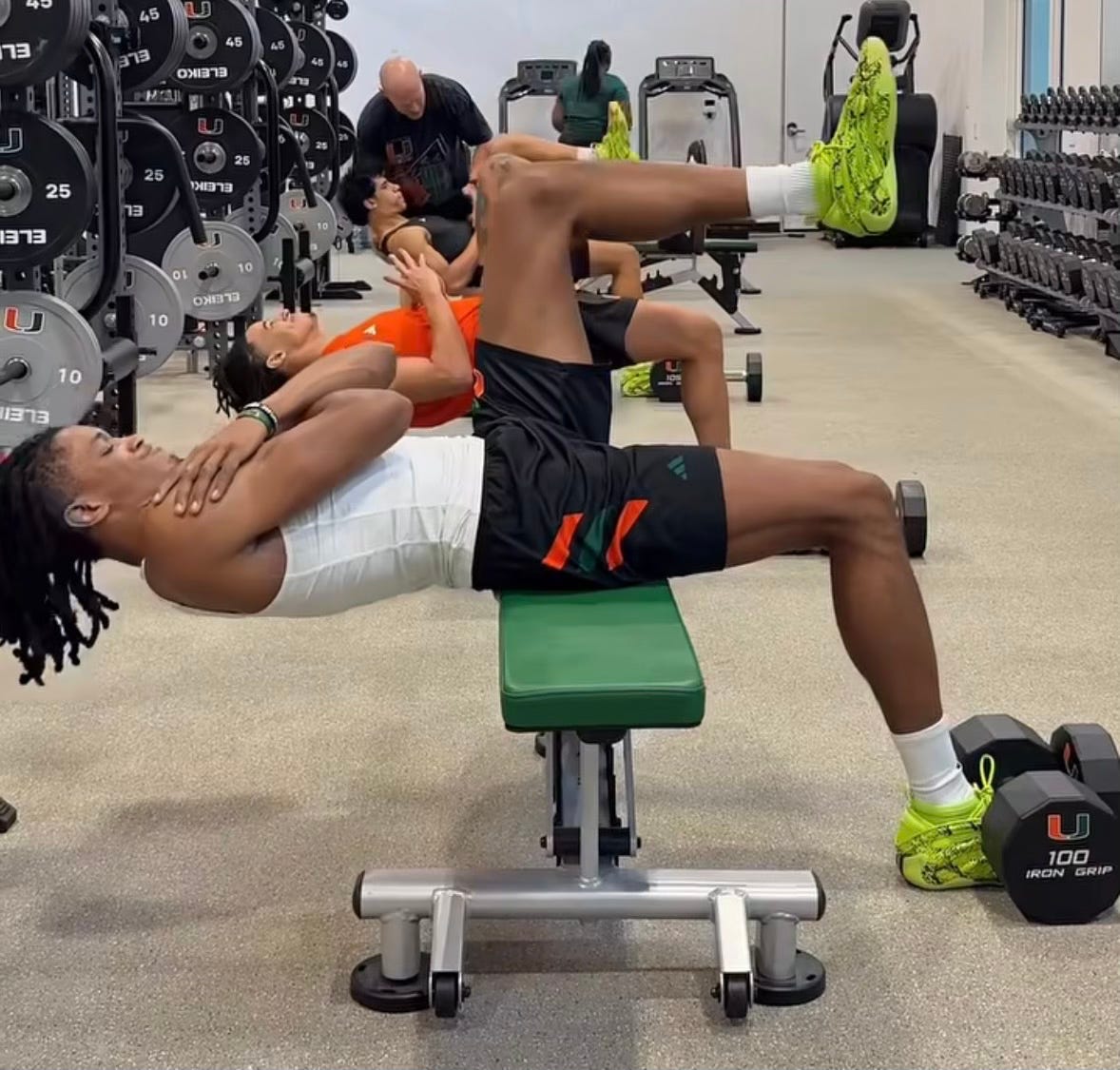
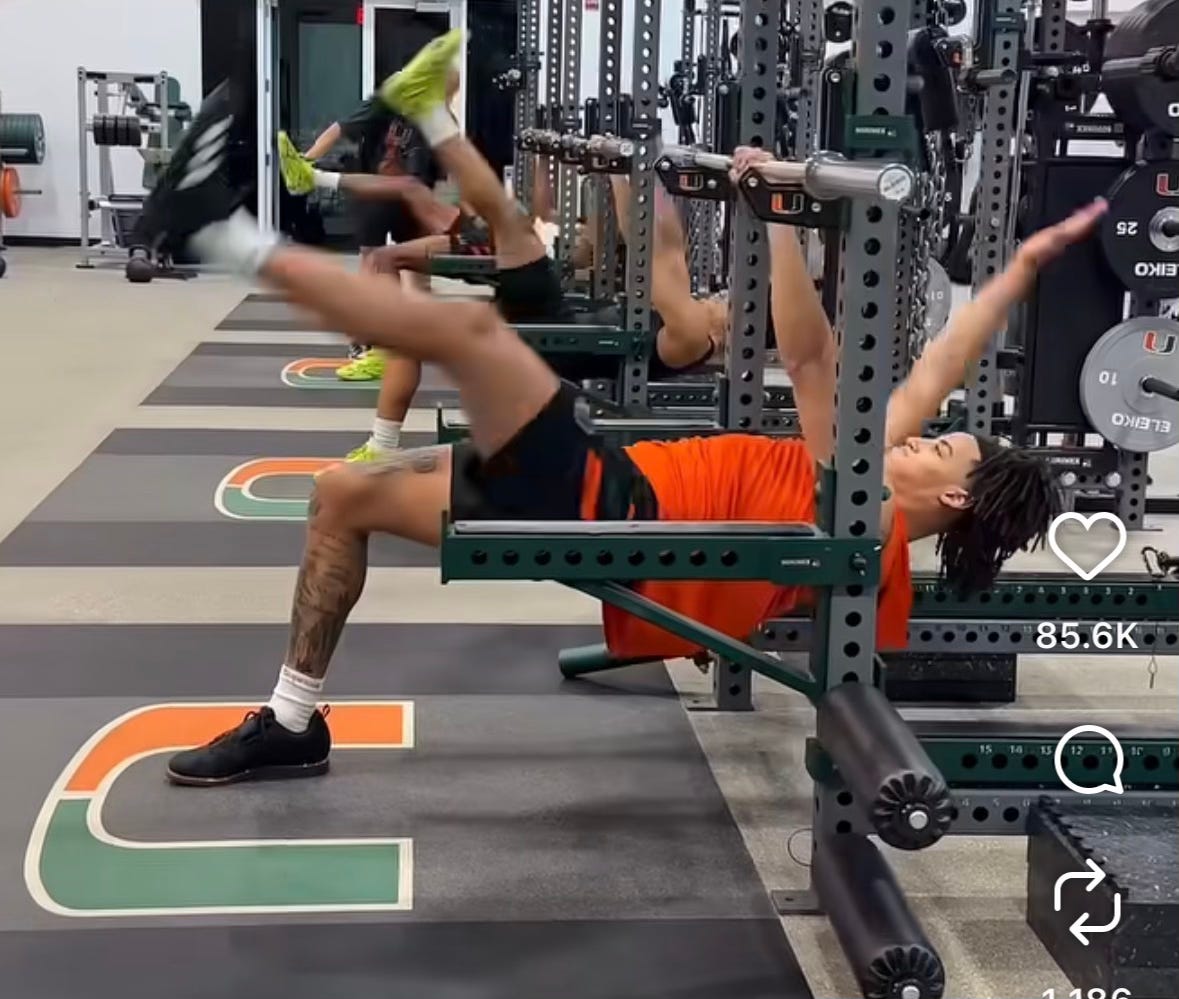
Best of all, they are challenging-yet-progressive: begin with short-hold planks, short-range fall-backs, and short-hold bird-dogs and work your way up!
Joe’s Articles. The Performance-Stiffness-Injury Iceberg. Self-evident maxims to me that are mind-blowing for far too many runners:
• Injuries are caused primarily by biomechanics inefficiency: part of, or the whole body, is moving inefficiently, creating excess strain on tissues
• Performance limitation and decline are caused by running inefficiency, static and dynamic (progressive), respectively
and:
• Performance decline is a leading indicator of an inefficient system; with significant injury a lagging indicator
For a deeper dive to the bottom of this “iceberg”, hot off the presses at iRunFar.com:
Monitor the Iceberg: Subtle But Progressive Signs of Running Dysfunction
TL;DR:
Running injuries surface like an iceberg: subtle early signs appear first, with deeper dysfunction building unseen until major breakdown.
First red flag: declining performance — slower times, reduced speed, higher heart rate/effort on usual efforts, often brushed off as “off days.”
Next: increased stiffness & soreness — tighter mobility, more resistance to stretching, heightened muscle tenderness in daily life and runs.
Then: persistent/escalating pain — beyond normal soreness, lingers post-run, limits distance/intensity, triggers compensation (e.g., limping).
Final stage: full injury (strains, stress fractures) with swelling, severe pain, weakness, and inability to load normally.
Key: catch issues early by tracking performance, baseline mobility (hips/ankles/thoracic spine), recovery markers, and stride efficiency.
Act proactively: self-massage, targeted mobility/strength, stride tweaks (video analysis), and professional input at first clear signs to avoid major setbacks.
Victory Friday. 3D Hip Efficiency Performance Win! As stated above, injury, aches/pains, stiffness and performance are all mile posts on the same road (or chunks of the same “iceberg”).
As such, the most fun part of administering an effective treatment is not just pain relief, but immediate performance improvement.
We had such a “win” this week.
A runner-mountaineer client of mine presented with some mild-but-stubborn hip stiffness associated with faster, longer running.
To help him this week, we did a simple assessment — a key standing dynamic hip and pelvic efficiency test, courtesy of Institute of Physical Art Founder Gregg Johnson:
• the client stands in front of the physio, who is kneeling or sitting on a low stool
• the physio places his/her hands on the greater trochanter of the femur, at the upper lateral thigh.
• the physio has the client perform a lateral shift — sliding the pelvis to one side, several inches, then across to the other side
• the physio monitors the dynamic of the trochanter in his /her hand: an efficient hip stays in-line with the pelvis as they both shift. An inefficient femur will translate: either forward (anterior) or back (posterior).
What this means: this is an “off-axis” hip that, inevitably, will be less mobile and strong than a more centered, “on-axis” hip.
For my guy, he had a curious-but-not-uncommon inefficient pattern:
• his right femur was off-axis, anteriorly
• his left femur was off-axis, posteriorly
To correct this, we did two things:
Foam roll mobilization. We began with a self-mobilization strategy using the foam roll, with two areas of focus:
• A. soft tissue: rolling and softening stiff myofascial tissues of the hip, and
• B. joint rotation: placing the hip in either static or dynamic rotation.
While we performed each with both hips, the primary focus of the right (too-anterior) hip was rolling the front of the hip.
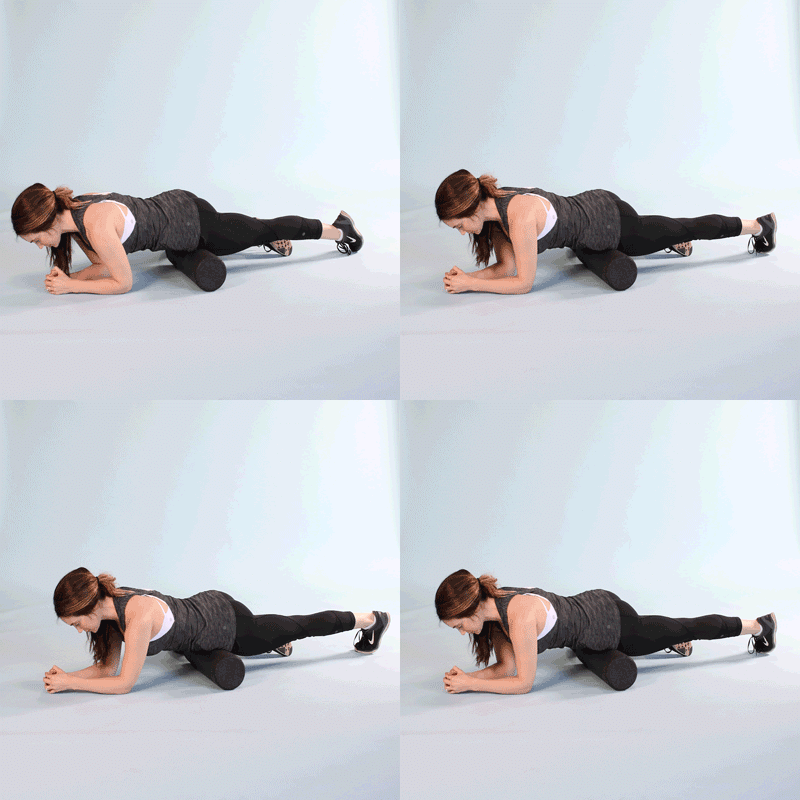
We rolled the anterior hip in neutral then added an internal rotation (foot out) motion with a bent knee.
For the left hip, we rolled the posterior side:
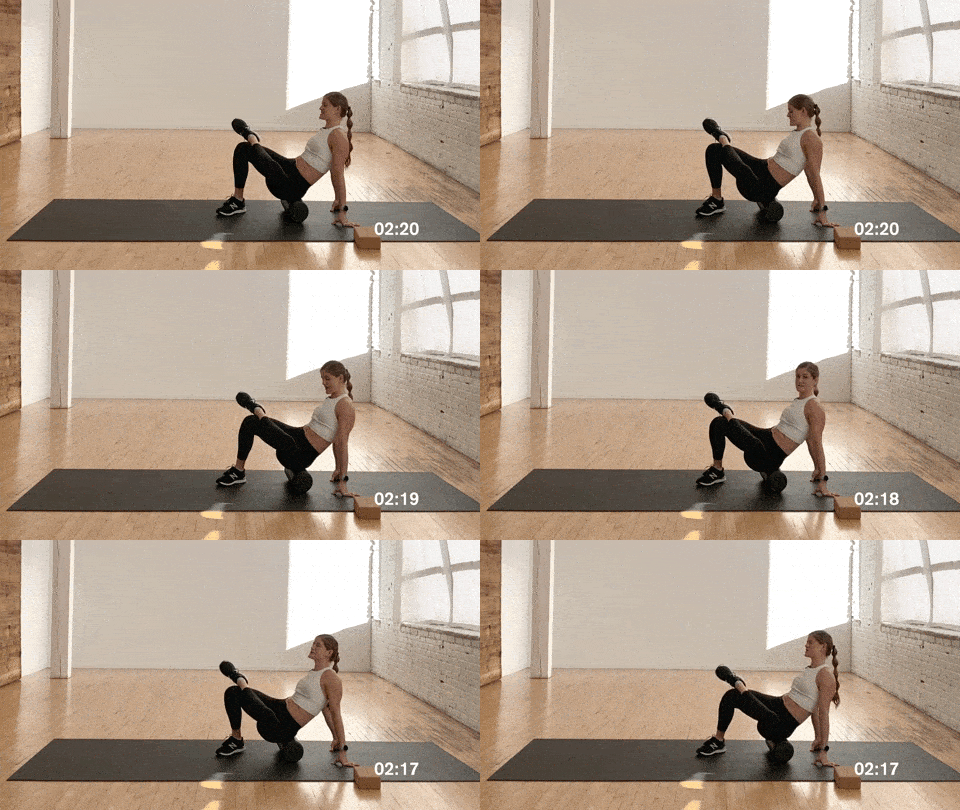
For this one, we maintained the hip in a position of external rotation.
Hands-on mobilization. After he had helpfully loosened the soft tissues around the hip with the roll, I accentuated the effect by adding a targeted hands-on treatment to each hip:
• right: an anterior-to-posterior mobilization in supine, while adding traction and internal rotation.• left: a posterior-to-anterior mobilization in prone, while adding external rotation.
Outcomes:
• Improved alignment. retesting of his standing alignment improved the weight shift efficiency (less forward and backward translation of the femur)
• Improved end-range hip mobility (flexion and extension)
• Perceived freedom. Hips “felt better” with active movement and walking
But best of all:
• Huge performance gains later that day.
My guy texted me later in the day, reporting:
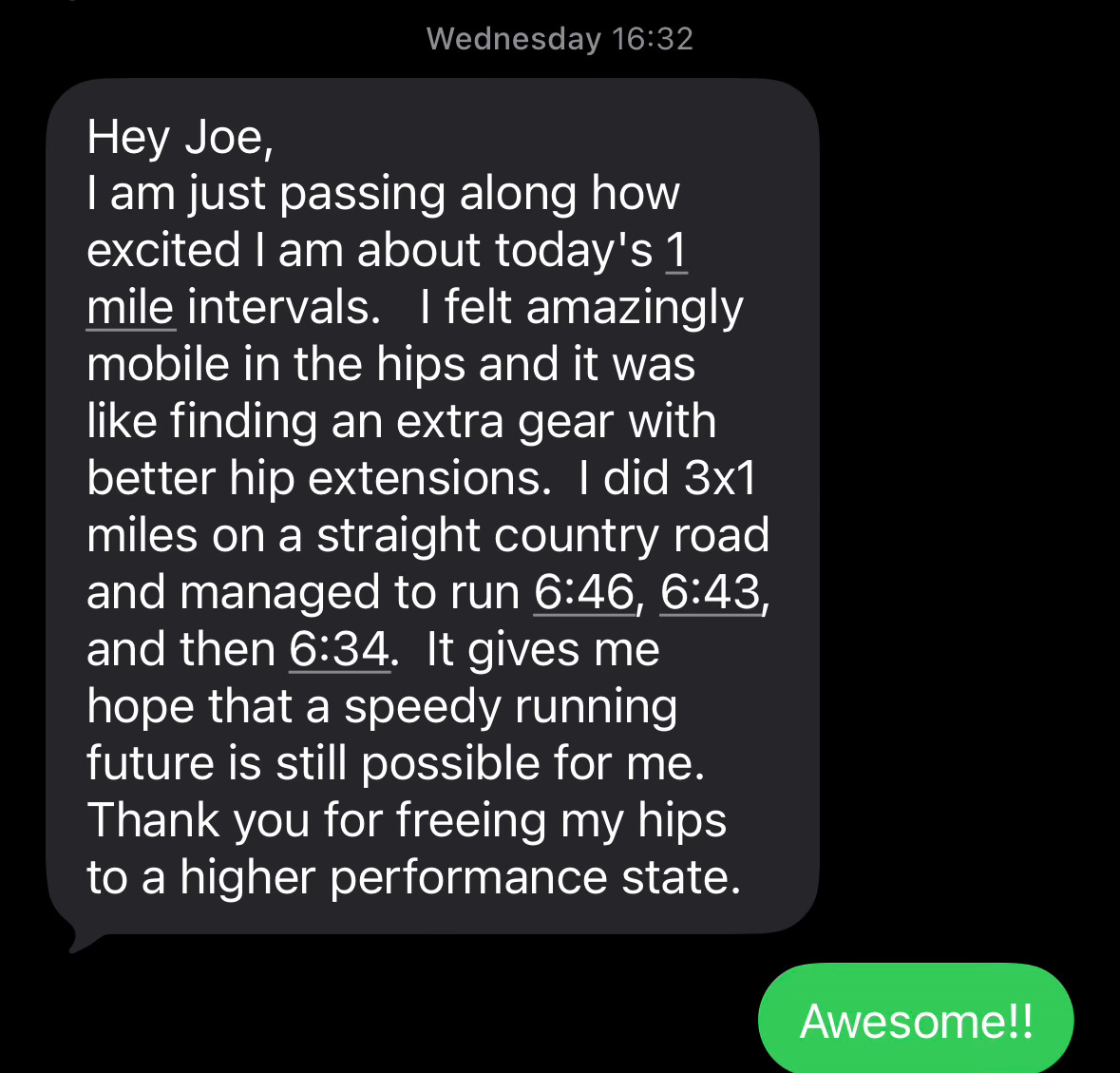
What’s cool: we talked about this workout beforehand and he noted his pace goal: a mere 7:00 per mile.
Our work resulted in 15-25 seconds per mile improvement!
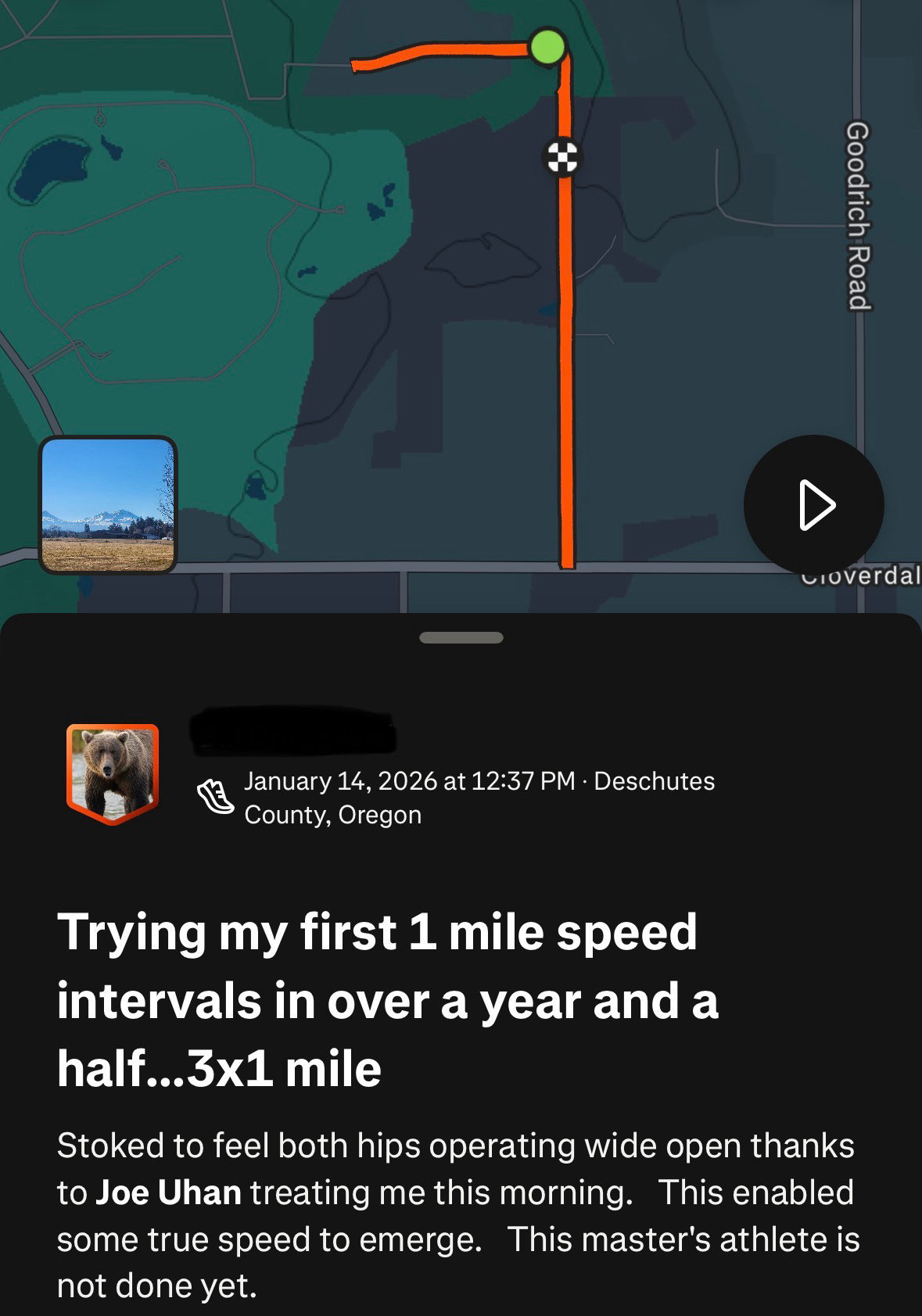
Takeaways. On-Axis Hip Efficiency Matters! Big win for hip-on-axis efficiency.
Stabilize, Too! We did follow-up with (and reiterate) the importance of multi-dimensional hip efficiency and stability (via “Joe’s Six Pack”1). This work is crucial to maintain this efficiency beyond treatment.
Give this simple test-and-treatment a try!
Issue 118 is in the books!
Help people move, function and feel better: please share this publication!
Thanks for reading, and have a great weekend,

Issue 105: Joe’s (Hip) Six-Pack. A three-dimensionally strong hip will enhance not only focal strength and stability but also hip and leg mobility and overall athletic efficiency. This six-pack of exercises enhances coordination and stability in all six movements of the hip joint. Strength exercises include: prone hip internal rotation, sideplank clamshell external rotation, sidelying adduction, sideplank abduction, banded supine hip flexion and double- and single-leg bridging.
Hip flexor fall back is my favorite thing ever! Has helped me so much
The iceberg metaphor for the performance-stiffness-injury continuum is particularly elegant - it captures something that's often missed in both clinical and athletic contexts: that pain is rarely the first signal of dysfunction, merely the loudest.
What's fascinating about your "on-axis" hip case study is the bilateral asymmetry pattern - one hip anteriorly displaced, the other posteriorly. This suggests compensatory adaptation rather than simple bilateral deficit. The body's attempt to maintain center of mass balance created opposing inefficiencies.
The 15-25 seconds per mile improvement post-treatment is remarkable, but what's more interesting is the mechanism: you didn't add strength or aerobic capacity, you simply removed mechanical friction from the system. This speaks to how much performance potential gets locked away in positional inefficiency.
Curious about the temporal stability of these corrections - in your experience, does the on-axis positioning tend to regress without concurrent stability work, or do athletes naturally maintain the improved pattern once they've experienced the efficiency gains?